The Ultimate Guide to Sewer Line Maintenance and Repair
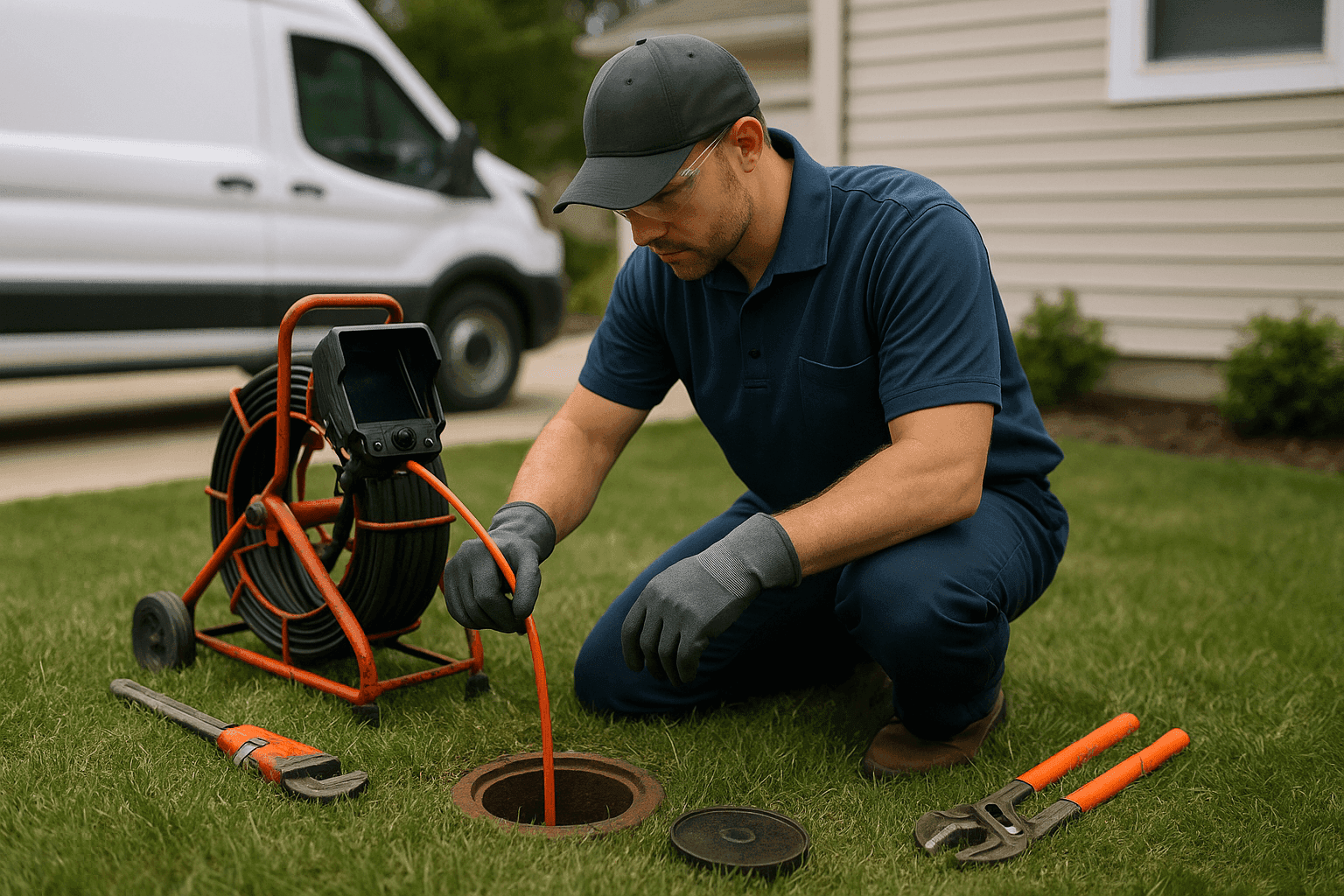
Every homeowner and small business owner dreads the words “sewer line problem.” It’s not just the mess—it’s the stress, the uncertainty, and the race to protect your property and health. At Schaubs Plumbing, we know the feeling. And we’re here to help you keep your sewer lines flowing and your mind at ease.
Sewer line maintenance might sound complicated, but it doesn’t have to be. With the right knowledge, you can spot trouble before it turns into a disaster. Let’s walk through what you need to know, step by step.
The Hidden World Beneath Your Feet
Most of us never think about sewer lines—until something goes wrong. These underground pipes are like the veins of your property, carrying waste safely away. But just like any system, they can get clogged, cracked, or invaded by tree roots.
Common Sewer Line Issues:
- Blockages: Grease, wipes, and debris can build up like a dam, stopping flow.
- Cracks or Collapsed Pipes: Age, shifting soil, or heavy traffic above can cause pipes to break.
- Root Intrusion: Tree roots act like tiny miners, searching for water and squeezing into any gap.
- Corrosion: Older metal pipes can rust from the inside out.
- Bellied Pipes: Sections sag, letting waste collect and block flow.
Each of these can lead to slow drains, foul smells, or even sewage backing up into your home or business. The sooner you spot the signs, the less you risk a full-blown emergency.
Quick Safety Checklist 🚨
Before you do anything else, safety comes first. Sewer problems can bring health risks and property damage.
- Avoid contact: Sewage is hazardous. Don’t touch or try to clean up raw sewage.
- Shut off water: If safe, turn off your main water supply to slow the problem.
- Keep kids and pets away: Block off affected areas.
- Ventilate: Open windows to reduce odors and harmful gases.
- Call emergency plumbing help: Fast action limits damage and keeps everyone safe.
If you suspect a sewer backup, don’t use toilets, sinks, or drains until help arrives.
DIY vs. Call a Pro
You might be tempted to grab a plunger or pour chemicals down the drain. Sometimes, that’s enough for a minor clog. But sewer line problems are often deeper—literally.
DIY Can Work For:
- Clearing a single slow drain with a plunger.
- Using a drain snake for small, localized clogs.
- Preventing problems by avoiding grease, wipes, and foreign objects.
Call a Professional When:
- Multiple drains are slow or backing up.
- You hear gurgling from toilets or sinks.
- Sewage is visible in tubs, showers, or basements.
- There’s a strong, persistent sewer odor.
- Water backs up when you run appliances.
Sewer lines run underground, sometimes under concrete or landscaping. Specialized tools and cameras are needed to diagnose and fix the real issue. Licensed plumbers follow plumbing codes and safety guidelines—protecting your health and property.
What Pros Do On Arrival
When you call Schaubs Plumbing for emergency plumbing or sewer line help, here’s what to expect:
1. Assessment and Inspection
We listen to your concerns and inspect the problem areas. Using video cameras, we look inside your pipes—no guessing, just clear visuals.
2. Diagnosis
We identify the exact cause: blockage, break, root, or something else. This helps us choose the safest, most effective solution.
3. Action Plan
Depending on what we find, we may:
- Use high-pressure water jetting to clear stubborn clogs.
- Cut and remove tree roots with specialized equipment.
- Repair small cracks using trenchless technology.
- Replace damaged sections if needed.
All work follows plumbing codes and safety standards, like those from the International Association of Plumbing and Mechanical Officials (IAPMO) and Occupational Safety and Health Administration (OSHA).
Prevention & Maintenance Tips
A little care goes a long way. Think of your sewer line like your car—regular checkups keep things running smoothly and avoid breakdowns.
Simple Ways to Prevent Sewer Line Trouble:
- Keep grease out: Pour cooled grease into a can, not the drain.
- Flush only toilet paper: Wipes, paper towels, and feminine products don’t dissolve and cause clogs.
- Install drain strainers: Catch hair and debris before they go down.
- Trim tree roots: Plant trees away from sewer lines, and keep roots in check.
- Schedule annual inspections: A professional camera inspection can spot issues early.
- Regular drain cleaning: Clears buildup before it becomes a blockage.
- Don’t ignore slow drains: They’re a warning sign, not just an annoyance.
The Environmental Protection Agency (EPA) recommends regular maintenance and prompt repair to protect both your property and the environment.
Costs & Time Factors
Sewer line work can range from a quick fix to a major project. Several factors affect cost and timing:
- Type of problem: Clearing a clog costs less than repairing a broken pipe.
- Location: Pipes under driveways or foundations are harder to reach.
- Repair method: Trenchless repairs are less invasive but may not fit every situation.
- Pipe material and age: Older pipes may need full replacement.
Typical Timeframes:
- Simple clogs: 1–2 hours.
- Minor repairs: Half a day to a full day.
- Major replacements: 2–3 days, depending on complexity.
While costs vary, early action almost always saves money compared to waiting for a full backup or collapse.
When It’s an Emergency
Some sewer problems can’t wait. If you notice any of these, call for emergency plumbing help immediately:
- Sewage backing up into your home or business.
- Water pooling around floor drains or in the yard.
- Strong sewer gas odors inside.
- Multiple fixtures draining slowly at once.
- Unexplained lush patches in your lawn (could signal a leak underground).
Quick response limits health risks and property damage. Don’t delay—your safety comes first.
FAQ: Sewer Line Maintenance & Repair
What causes most sewer line blockages?
Blockages often come from flushing things like wipes, grease, or foreign objects. Tree roots and pipe damage are also common culprits.
Can I use chemical drain cleaners?
Most professionals advise against it. Chemicals can damage pipes and harm the environment. Mechanical cleaning is safer and more effective.
How often should sewer lines be inspected?
Annual inspections are a smart move, especially for older properties or those with large trees nearby.
Is trenchless repair always possible?
Not always. It depends on the extent and location of damage. A professional inspection will determine the best approach.
Special Considerations for Sewer Line Work 🛠️
Sewer line repair isn’t just about fixing pipes. It’s about protecting your health, your investment, and the environment. Only licensed, insured plumbers should handle these jobs. They follow strict codes—like the Uniform Plumbing Code (UPC)—to ensure repairs are safe and long-lasting.
If you own a business, local health regulations may require regular backflow testing and documentation. Preventative maintenance protects your reputation and keeps your doors open.
For homeowners, routine care and prompt repairs prevent costly surprises. Remember, what goes down your drains can come back up—so treat your pipes with care.
Call Schaubs Plumbing now — or reach us anytime at 1-877-919-9920 .