How to Safely Install and Maintain Gas Lines at Home
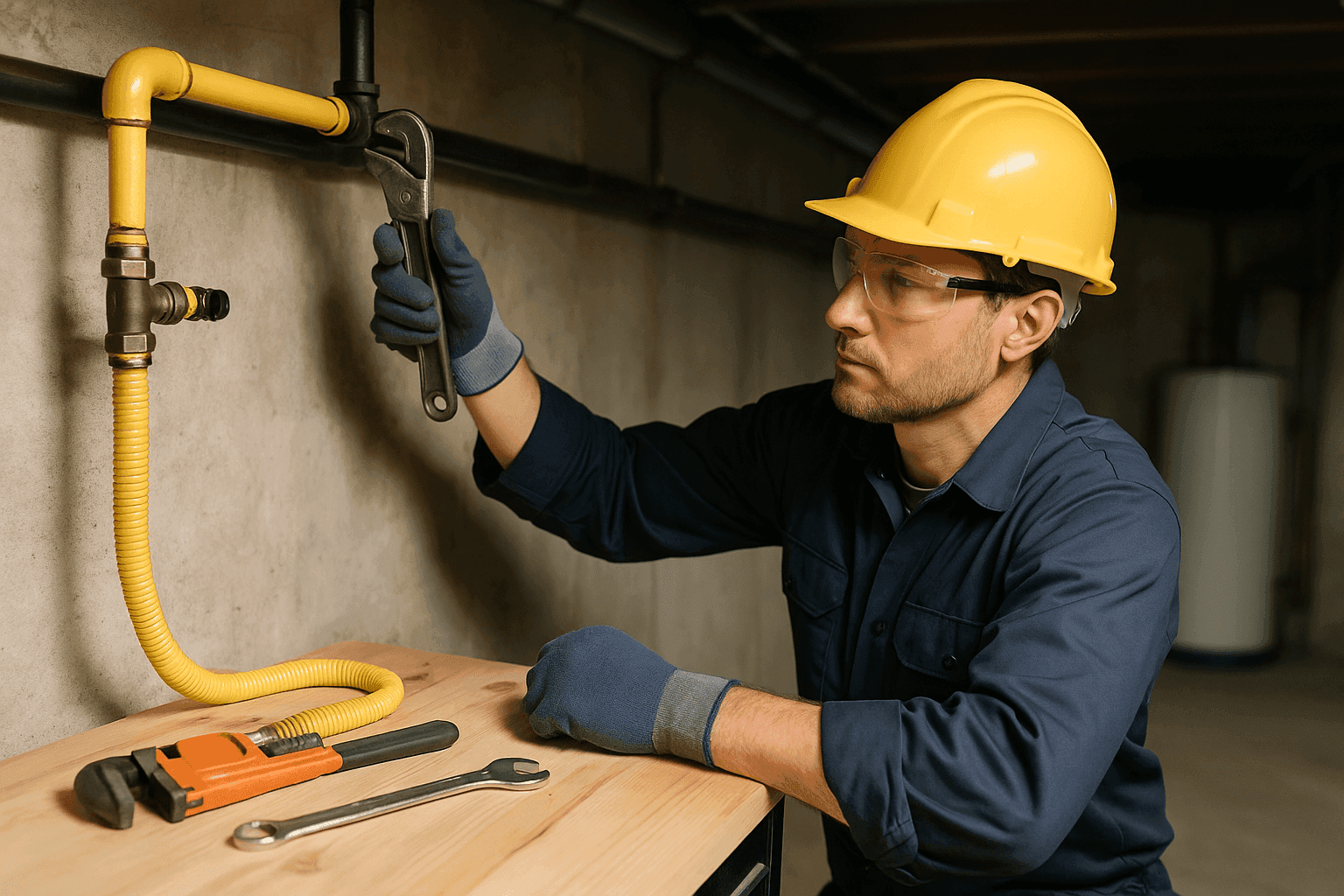
Gas can be a silent helper or a hidden hazard. It heats your water, powers your stove, keeps life comfortable. But when gas lines go wrong, the risks are real—think of a tiny leak as a ticking clock.
At Schaubs Plumbing, we’ve seen what can happen when gas line installation or maintenance gets overlooked. This guide is here to help you spot trouble before it starts, keep your home or business safe, and know exactly when to call in emergency plumbing professionals.
Why Gas Line Safety Is Non-Negotiable
Gas lines are like the arteries of your home’s energy system. If they’re damaged, blocked, or installed incorrectly, the results can be dangerous—sometimes even deadly. Natural gas is colorless and odorless, but utilities add a “rotten egg” smell for safety. Still, leaks can go unnoticed until it’s too late.
According to the National Fire Protection Association (NFPA), gas leaks cause thousands of fires and explosions every year. The stakes are high. That’s why installation and maintenance should never be taken lightly.
Quick Gas Line Safety Checklist 🛑
Before you even think about touching a gas line, run through this list:
- Check for the smell of gas. If you notice a sulfur or rotten egg odor, leave immediately.
- Listen for hissing sounds. Gas escaping under pressure can sound like air leaking from a tire.
- Inspect for dead plants or grass. Unexplained patches can signal an underground leak.
- Look for bubbles. If you see bubbles in standing water near a gas line, it may be leaking.
- Know where your shut-off valves are. Make sure everyone in your home or business can find them quickly.
- Never use open flames near gas lines. That means no smoking, lighters, or candles during inspections or repairs.
If you detect any of these warning signs, don’t try to fix it yourself. Call emergency plumbing services right away.
DIY vs. Call a Pro: Where’s the Line?
You might be handy with a wrench, but gas lines are a different beast. The risks aren’t just about leaks—they include fire, explosions, and even carbon monoxide poisoning. Here’s when to step back:
DIY Might Be Okay For:
- Checking visible pipes for rust or corrosion.
- Making sure appliances are properly connected (following manufacturer instructions).
- Testing carbon monoxide detectors.
Always Call a Professional For:
- Installing new gas lines or appliances.
- Moving or repairing existing gas lines.
- Diagnosing leaks or pressure problems.
- Any work that requires turning off or on the gas main.
Licensed plumbers follow strict building codes, like those set by the International Fuel Gas Code (IFGC) and the American Gas Association (AGA). They use specialized tools—pressure gauges, leak detectors, and more—to ensure every connection is safe.
What the Pros Do When They Arrive
When you call Schaubs Plumbing for gas line work or an emergency plumbing situation, here’s what happens:
- Assessment: We inspect the area, identify potential hazards, and locate all shut-off valves.
- Leak Detection: Using certified equipment, we test for leaks—sometimes using soapy water, but more often with electronic sniffers.
- Pressure Testing: Before any installation or repair is complete, we pressure-test the system to catch even the tiniest leaks.
- Code Compliance: All work is done to current safety standards and building codes.
- Documentation: We provide clear records of the work done, including any recommendations for future safety.
Routine Prevention & Maintenance Tips
Think of gas line maintenance like regular oil changes for your car. It’s not glamorous, but it keeps everything running smoothly—and safely.
- Schedule annual inspections. Especially before winter or periods of heavy appliance use.
- Replace old or corroded pipes. Don’t wait for a leak to appear.
- Test gas appliances regularly. Watch for changes in flame color or performance.
- Keep vents and flues clear. Blockages can cause dangerous gas buildup.
- Install carbon monoxide detectors. Place them near bedrooms and gas appliances.
- Document all work. Keep records of inspections, repairs, and installations.
The U.S. Consumer Product Safety Commission (CPSC) recommends professional inspections at least once a year for homes with gas appliances.
Costs & Time Factors: What to Expect
Gas line work isn’t one-size-fits-all. Costs and timelines depend on:
- Length and complexity of the line. More bends or connections mean more time and materials.
- Type of material. Steel, copper, and flexible piping each have different price points.
- Accessibility. Lines buried underground or behind walls take longer to reach.
- Permits and inspections. Some jobs require municipal approval, which can add time.
A simple repair could take less than an hour. Full installations or replacements might stretch over a day or more. Always ask for a clear estimate and timeline before work begins.
When It’s an Emergency
Some gas problems can wait for regular business hours. Others demand immediate action. Call emergency plumbing services if:
- You smell gas or hear hissing near a line.
- Appliances won’t light or stay lit.
- You feel dizzy, nauseous, or lightheaded indoors.
- There’s visible damage to a gas line or appliance.
What to do right away:
- Leave the building immediately.
- Avoid using phones, light switches, or anything electrical.
- Once safe, call your gas utility and emergency plumbing professionals.
Never try to locate or stop a leak yourself in an emergency.
Frequently Asked Questions
How often should I have my gas lines inspected?
At least once a year, especially if you have older pipes or appliances. Schedule inspections before major seasonal changes for peace of mind.
Can I install a gas appliance myself?
It’s not recommended. Even small mistakes can lead to leaks or code violations. Always use a licensed plumber for installation.
What’s the difference between a gas leak and carbon monoxide?
A gas leak releases natural gas, which smells like rotten eggs. Carbon monoxide is odorless and can result from incomplete combustion. Both are dangerous and require immediate attention.
Are there signs of gas issues besides smell?
Yes. Dead plants, hissing sounds, and bubbles in water are all warnings. Physical symptoms—like headaches or dizziness—can also indicate a problem.
Special Considerations for Gas Line Service 🛠️
- Appliance Upgrades: Newer stoves or heaters may require different pipe sizes or connections.
- Renovations: Moving walls or adding rooms? Plan for gas line rerouting.
- Business Needs: Commercial kitchens and small businesses often have stricter code requirements.
- Insurance: Some policies require proof of professional installation and regular inspections.
Always check manufacturer recommendations and local building codes before making changes.
Gas line safety isn’t just a box to check—it’s about protecting your home, business, and everyone inside. Don’t leave it to chance.
Call Schaubs Plumbing now — or reach us anytime at 1-877-919-9920 .