How to Choose the Right Water Heater for Your Home
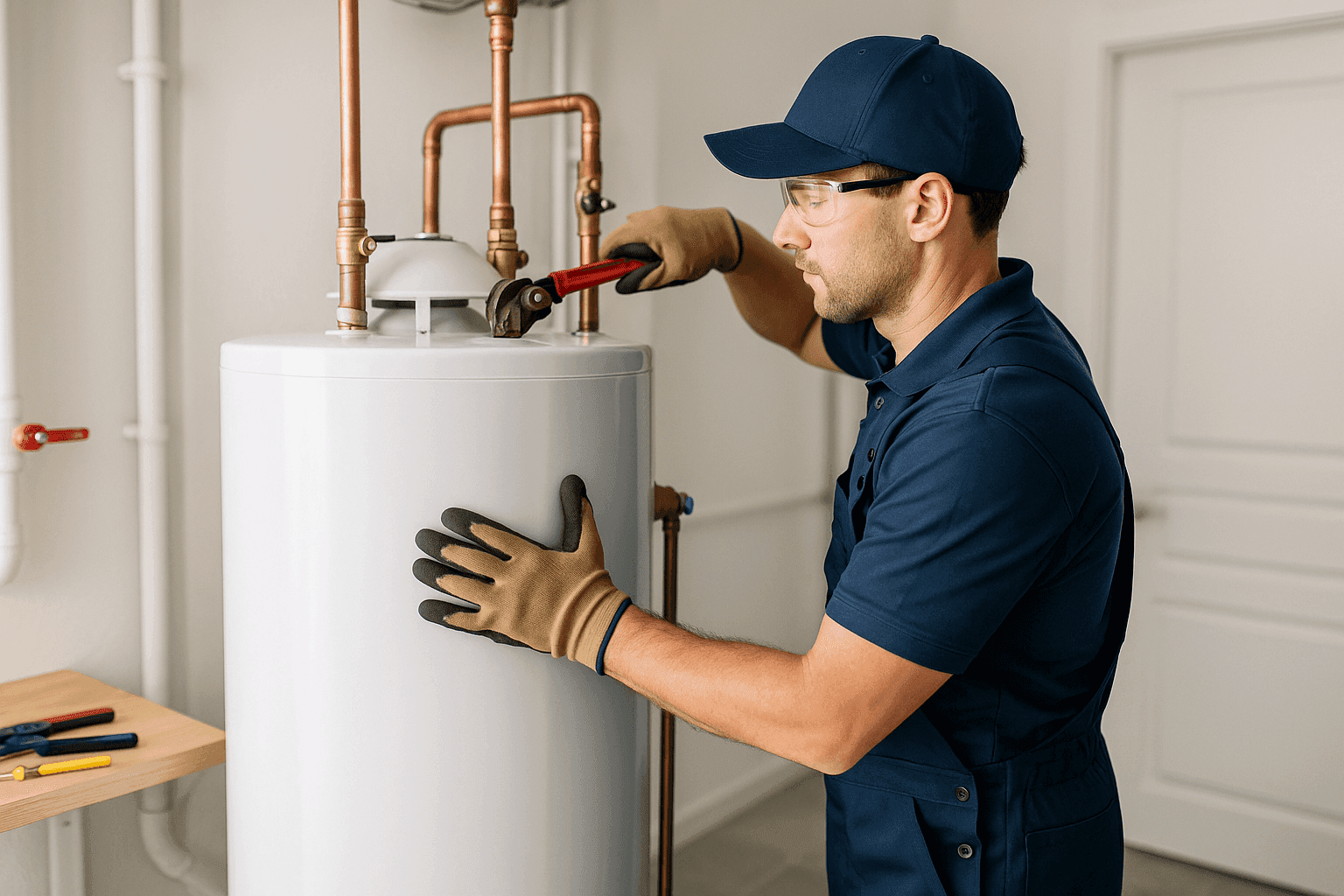
Are you tired of cold showers or waiting forever for water to heat up? Choosing the right water heater can feel like picking the right pair of shoes—if they don’t fit, you’ll feel it every single day. At Schaubs Plumbing, we know the decision isn’t just about comfort. It’s about safety, savings, and peace of mind—especially when emergencies strike.
Let’s walk through what you need to know to select a water heater that matches your needs, your space, and your budget. Whether you’re a homeowner or run a small business, this guide will help you make a confident choice.
Types of Water Heaters Explained 🔥
Water heaters aren’t all built the same. Imagine the difference between a trusty thermos and a high-speed espresso machine—one stores heat, the other delivers it on demand. Here’s a rundown:
Storage Tank Water Heaters
- How they work: These are the classic models. They keep a large volume of water hot and ready in a tank.
- Pros: Reliable, straightforward to install, familiar to most households.
- Cons: Standby heat loss—like leaving the oven on, even when you’re not cooking. They take up more space.
Tankless (On-Demand) Water Heaters
- How they work: Water heats up instantly as it flows through the unit—no tank needed.
- Pros: Endless hot water, compact size, higher efficiency. Great for smaller spaces or households with varying hot water needs.
- Cons: Higher upfront cost, may need upgrades to gas or electrical systems.
Hybrid (Heat Pump) Water Heaters
- How they work: These use electricity to move heat from the air or ground to heat water—think of it as a reverse refrigerator.
- Pros: Extremely energy-efficient, can lower utility bills over time.
- Cons: Higher initial investment, need more installation space, can be sensitive to cold spaces.
Tip: For businesses or large families, hybrid and tankless models can keep up with heavy demand without breaking a sweat.
Sizing Your Water Heater: What You Need to Know 📏
Picking the right size isn’t about guessing. It’s about matching your water use to the heater’s capacity.
For Storage Tank Heaters
- Household size matters: A family of four usually needs a 50-gallon tank, but heavy laundry or long showers? You might need more.
- First Hour Rating (FHR): This tells you how much hot water the tank delivers in one hour of use. Check your morning routine—do you run several showers at once? FHR should match your peak hour needs.
For Tankless Heaters
- Flow rate is key: Measured in gallons per minute (GPM). Add up the GPM for all fixtures you might use at once (shower, dishwasher, washing machine).
- Temperature rise: Know how much you need to heat incoming water. Colder climates may require more powerful units.
For Hybrid Models
- Consider space: These units are bulkier. Make sure you have enough room for air circulation.
- Capacity planning: Like tank models, match the tank size and FHR to your peak use.
Practical tip: Track your hot water use for a few days. Note when you run out or if you’re always waiting. This real-world data is gold when sizing your new heater.
Energy Efficiency and Cost Savings
A water heater can be a silent energy hog—or a smart saver. The difference shows up on your utility bill.
Understanding Energy Factor (EF) and Uniform Energy Factor (UEF)
- EF/UEF ratings: Higher numbers mean better efficiency. Look for the ENERGY STAR® label for trusted performance.
- Tankless units: Usually more efficient, as they only heat water when you need it.
- Hybrid heaters: Use up to 60% less energy than standard electric models, according to the U.S. Department of Energy.
Upfront vs. Long-Term Costs
- Tank heaters: Lower purchase price, but higher operating costs over time.
- Tankless and hybrid: More expensive to buy and install, but can pay off with lower bills and longer life spans.
Real-world example: If you use a lot of hot water throughout the day, a tankless or hybrid system can be like trading in a gas-guzzler for a fuel-efficient hybrid car.
Rebates and Incentives
- Check local utility programs: Many offer rebates for high-efficiency water heaters.
- Tax credits: ENERGY STAR® certified models may qualify for federal tax credits—always verify current programs.
Installation Considerations and Professional Help 🛠️
Installing a water heater is not a typical DIY project. It’s like rewiring your home or replacing your car’s brakes—mistakes can be costly or dangerous.
Safety and Code Compliance
- Building codes: National plumbing codes (such as the Uniform Plumbing Code and International Residential Code) set strict rules for venting, pressure relief, and gas or electrical connections.
- Permits: Most installations require a permit and inspection for safety.
- Gas safety: Gas water heaters must be installed with proper ventilation to prevent carbon monoxide buildup.
Common Pitfalls to Avoid
- Undersized units: Leads to cold showers and unhappy mornings.
- Poor venting: Can cause dangerous backdrafts or leaks.
- Improper pressure relief: Increases risk of tank rupture or flooding.
Benefits of Professional Installation
- Right-sized recommendations: A licensed plumber can assess your real water usage, space, and energy needs.
- Safe, code-compliant work: Avoids headaches with insurance or future home sales.
- Warranty protection: Many manufacturers require professional installation for warranty coverage.
Tip: Always ask your installer about maintenance needs and how to spot early warning signs of trouble.
Evaluating Your Household Water Usage
Before you buy, take stock:
- How many people live or work here?
- Do you run multiple showers, laundry, and dishes at once?
- Are there seasonal spikes (like guests or busy holidays)?
- Do you have large soaking tubs or high-flow fixtures?
A little homework now saves a lot of frustration later.
Comparing Upfront and Long-Term Costs
It’s tempting to focus on sticker price. But like a cheap umbrella in a storm, a bargain heater may not last or perform as you hope.
- Initial purchase: Tank heaters cost less up front.
- Operating costs: Tankless and hybrid heaters save money over time.
- Maintenance: All water heaters need regular checkups—anode rods, flushing, or filter changes. Neglect leads to breakdowns.
Practical tip: Ask about estimated annual operating costs. ENERGY STAR® and the Federal Trade Commission require clear energy guides on new heaters.
Understanding Warranty and Maintenance Needs
- Warranty length: Ranges from 3–12 years. Longer warranties often mean better quality components.
- Maintenance requirements: Annual inspections, flushing tanks, checking pressure valves, and replacing anode rods.
- Service access: Some models are easier (and cheaper) to repair.
A well-maintained water heater can last a decade or more, saving you from surprise emergencies.
Preparing for Seasonal Demands or Emergencies
- Winter readiness: Cold weather strains older heaters. If yours is struggling, don’t wait for it to quit on a freezing morning.
- Emergency plumbing: If your heater leaks, rusts, or fails suddenly, shut off power/gas and water supply. Then call for help.
Being proactive beats scrambling in the middle of a cold snap.
Sizing and Installation: Quick Safety Checklist
- [ ] Check for proper venting (for gas units).
- [ ] Confirm electrical supply matches heater requirements.
- [ ] Ensure adequate clearance around the unit.
- [ ] Install temperature and pressure relief valves.
- [ ] Test for leaks after installation.
- [ ] Schedule annual maintenance.
Following safety steps protects your home, your business, and your peace of mind.
DIY vs. Professional Installation
You might be handy, but water heater installation is a different beast. It involves plumbing, electrical, and sometimes gas work—all areas where mistakes can have serious consequences.
When DIY Might Work
- Swapping out an identical electric tank heater (with experience and proper tools).
- Minor repairs like replacing a thermostat or heating element.
When to Call a Pro
- Upgrading to tankless, hybrid, or gas models.
- Changing fuel types or relocating the unit.
- Any signs of gas leaks, electrical issues, or complex plumbing.
Remember: Licensed plumbers stay up to date with code changes and safety standards. They’re also equipped to handle surprises—like corroded pipes or faulty wiring.
What Pros Do On Arrival
When you call Schaubs Plumbing, here’s what to expect:
- Assessment: We’ll evaluate your hot water needs, current system, and available space.
- Recommendations: We’ll help you compare options based on usage, efficiency, and budget.
- Code compliance: Proper permits, safe installation, and thorough testing.
- Cleanup: We’ll haul away the old unit and leave your space tidy.
- Walk-through: We’ll show you how your new heater works and discuss maintenance tips.
Prevention & Maintenance
A little care goes a long way. Regular maintenance keeps your water heater running smoothly and can prevent emergencies.
Maintenance Tips
- Flush tank heaters annually to remove sediment.
- Inspect anode rods every 1–2 years.
- Check for leaks, rust, or unusual noises.
- Test the temperature and pressure relief valve.
- For tankless units, descale as recommended.
Pro tip: Schedule annual checkups—just like you would for your car or HVAC system.
Costs & Time Factors
Choosing and installing a water heater is an investment. Here’s what to expect:
- Tank heaters: Lower upfront cost, installation can take a few hours.
- Tankless or hybrid: Higher up-front, but installation may take longer (especially if electrical or gas lines need upgrades).
- Long-term savings: More efficient models can save hundreds per year in energy bills.
- Unexpected costs: Older homes may need plumbing or venting upgrades.
Tip: Always ask for a written estimate before work begins.
When It’s an Emergency
Sometimes, water heaters fail at the worst times. Here’s what to do:
- Shut off power or gas: Safety first.
- Turn off the water supply: Prevents flooding.
- Call for emergency plumbing: Fast help can minimize damage and get you back to normal.
Schaubs Plumbing is available for those urgent situations—day or night.
FAQ: Common Water Heater Questions
How long does a water heater last?
Most tank models last 8–12 years. Tankless units can last 15–20 years with proper care. Regular maintenance is key.
What’s the best temperature setting?
120°F (49°C) is recommended by the U.S. Department of Energy. It’s hot enough for comfort and safety, but reduces risk of scalding and saves energy.
Can I install a water heater myself?
Some electric tank models can be DIY-friendly, but most installations—especially tankless, hybrid, or gas—require a licensed plumber for safety and code compliance.
How do I know if my water heater is failing?
Watch for rusty water, strange noises, leaks, or inconsistent hot water. These are signs it may be time for repair or replacement.
Special Considerations for Water Heater Installation
- Water quality: Hard water can shorten heater lifespan. Consider a water filtration system if you have mineral-heavy water.
- Backflow prevention: Protects your water supply from contamination—required by code in many areas.
- Gas safety checks: For gas heaters, annual inspections are essential.
- Sump pump or basement installation: Ensure proper drainage to prevent flooding.
Every home and business is unique. The right solution balances comfort, efficiency, safety, and budget.
Ready to upgrade your hot water? Call Schaubs Plumbing now — or reach us anytime at 1-877-919-9920 .